Getting along with your neighbours can help make life in Norway much easier. However, there are a few things you should be aware of if you want to endear yourself to them.
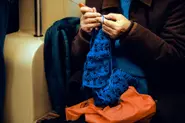
If you're visiting Norway and want to blend in seamlessly with the locals on buses, trams, and trains, this guide will go through all the bases you need to cover if you want to pull off seeming Norwegian.
Working in Norway means adapting to a new way of doing things. One of the things that catches many foreigners off-guard is just how early Norwegians take lunch.
Norway is a country full of unique cultural traditions and quirks, so it should be no surprise that living with Norwegians can come with a few surprises.
Generally speaking, Norwegians are quite respectful and open-minded in communication. However, there are some things that tend to irritate – or dare we say, offend – them. Here's what to look out for.
While Scandinavian countries are known for traditionally being comfortable with nakedness, Norwegians – especially younger generations – are not big on public nudity. However, there is a time and place for getting naked in public.
Having to regularly check which date is meant when a Norwegian gives you a week number can be frustrating, but there’s a method in the numerical merry-go-round.
If you have been to a local Norwegian supermarket lately, you have probably noticed that the shelves look different. Norway’s food traditions change with the seasons, and summer is certainly not the exception.
You don’t need a faultless accent and broad vocabulary to convince people of your Norwegian credentials, as there are a few quirky interjections you can make to fake fluency.
Skipping the seemingly voluntary act of 'dugnad' has seen some residents in Norwegian housing associations fined. But is this allowed, and what do the rules say?
How do you keep in touch with friends, neighbors, or colleagues in Norway? You might need to change your approach and try out some apps you never used before (or stopped using a while ago).
If you see a film, restaurant or album given a six in Norway, it's been met with the highest possible accolades rather than middling reviews. So, where does this unique ranking system come from?
Volunteering is a big deal in Norway, and new arrivals are often told to get involved to learn the language, meet new friends and improve their odds of getting a job.
While Norwegian traits of indirect communication and politeness generally make for pleasant social interactions, they can also give rise to passive-aggressive behaviour.
Norwegians are generally calm and peaceful. Avoiding confrontation is a big part of the culture, and getting them upset takes extra effort — compared to many other places in the world, but that doesn’t mean they don’t get angry at times.
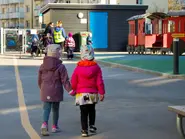
Norwegian winters regularly see temperatures dip down below -10c or even -20c depending on where you live. Therefore, making sure your kids are properly equipped for the weather is essential.
From not worshipping at the temples of frozen pizza and cross-country skiing to littering on hikes and talking smack about Norwegian food, these actions – even when unintentional – are likely to annoy a lot of Norwegians.
There seems to be a never-ending stream of 'Scandinavian lifestyle trends' in international glossy magazines, but only some of them are worth pursuing, while others are all hype and little reward.
Moving to a new country comes with plenty of unexpected lessons and surprises. Norway is no different, and here are six things you'll need to know before the move.
Autumn in Norway brings about chilly rains, shorter days, and unpredictable weather. Fortunately, some tried-and-true hacks can help you enjoy the season.
Birthday party rules, giving sharp knives to six-year-olds, and a lack of hot, nutritious meals at school and kindergarten. These are some of the biggest surprises reported by foreigners bringing up children in Norway.
The Norwegians are, as a nation, subject to quite a few stereotypes and myths, at least among their Nordic neighbours. But who are Norwegians really and how do they spend their time?