

Because most Norwegians won’t tell you outright when something bothers them, the best way to stay on their good side is to understand the unspoken rules — the small social codes that make everyday life in Norway run smoothly. So here are a few things to be mindful of:
Arriving late
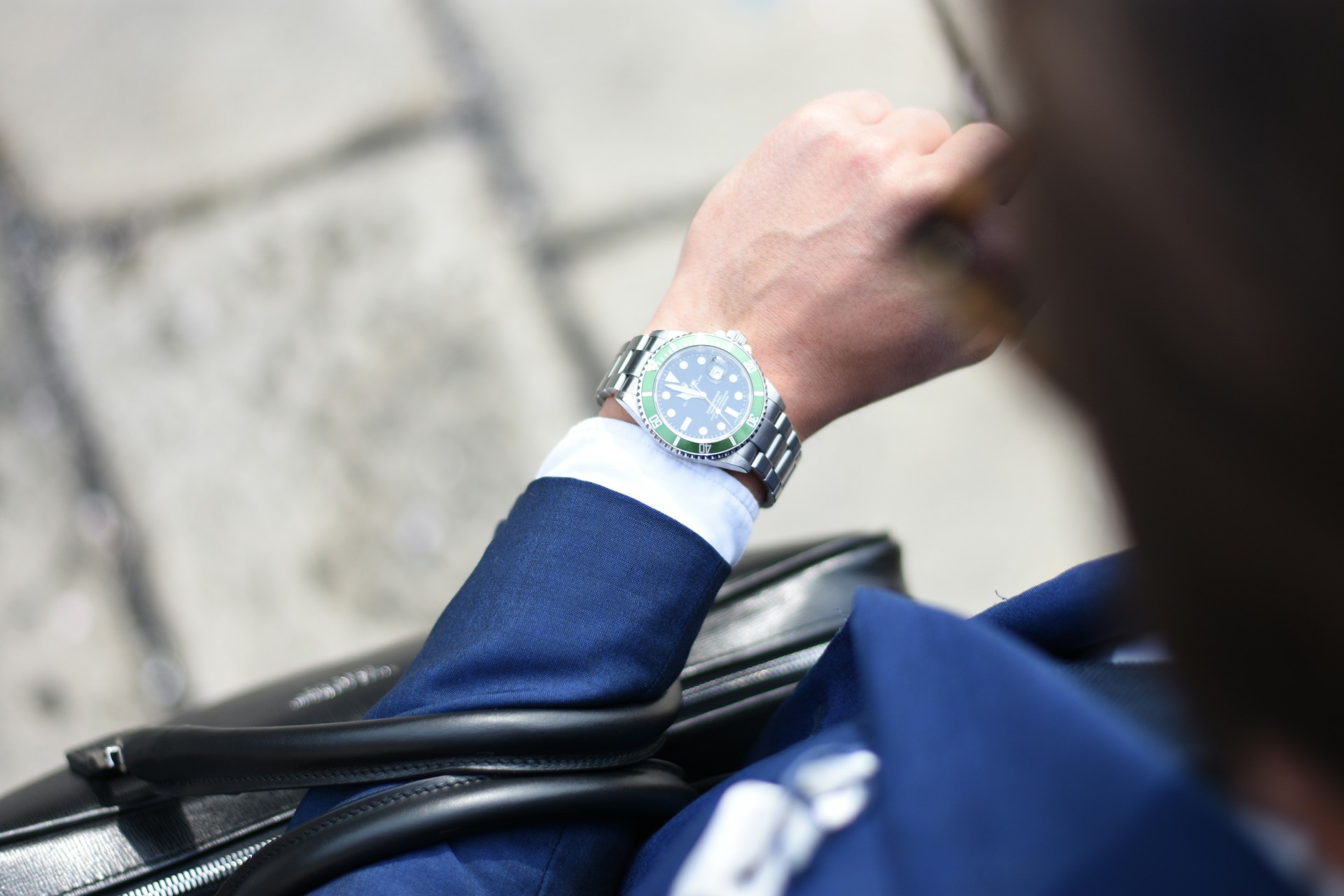
Norwegians are punctual to the core. Showing up even five or ten minutes late — without a message — can make a bad first impression. Time is a sign of respect, and being late implies that you value your own schedule more than theirs. If you’re running late for a meeting, appointment, or lunch, just send a message. They’ll appreciate that more than any apology later.
Showing up empty-handed
If you’re invited to someone’s home, don’t come without a small gift. A bottle of wine, flowers, or a dessert is perfect — even an out-of-the-box brownie mix from Toro. But there’s one social sin to absolutely avoid: drinking someone else’s alcohol without bringing your own.
“Ta med drikke selv” — bring your own drinks — is a rule that’s almost sacred at gatherings. Tereza, from Prague has experience of what a typical dinner party protocol looks like.
“You usually bring something for the host and something for yourself, and it’s very low-key and informal," she says.
"Everyone leaves their own beer cans or wine in the fridge, side by side, and helps themselves. But taking it from someone else is a no no. During university years, I even saw people leaving the party carrying their half bottle home. It’s strange, but you get used to it,” she says.
Bringing an uninvited plus-one
It might seem friendly to extend an invitation to someone else when you’re going to a party, but in Norway, that’s crossing a line. Social circles are tight, and hosts plan meticulously. Bringing a friend or your partner without checking first can feel disrespectful — like you’ve broken an invisible code of order.
“In other cultures, it’s natural to bring your wife or husband to a dinner party, but here it’s more of an individual invitation. I learned it the hard way after showing up as a couple at a birthday party — it was uncomfortable for both,” says Federico from Milan.
It’s also common to have women-only, men-only, or even office-only gatherings — so always check before assuming “the more the merrier.”
Being too spontaneous
Last-minute plans don’t usually work well. Norwegians love their calendars — they schedule everything from workouts to dinners weeks in advance (and they count by week numbers). Suggesting something “tonight” can lead to an awkward pause or a polite “maybe another time" in response. It’s not personal; it’s just how things are done.
Being too formal
Forget using “Mr” or “Mrs” — that will only make things strange fast. Norwegians are informal and egalitarian. Everyone, from your boss to the prime minister, is addressed by their first name. Trying to be polite by using titles will just sound stiff and foreign.
Complaining about Norway
Criticising the weather? Fine. But mocking Norwegian traditions — not so much. Complaining about Christmas food (like pinnekjøtt or lutefisk), the annual dugnad (community work), cross-country skiing, or cabin life (hytte) will instantly earn you a few raised eyebrows, frowns and questionable looks.
The same goes for friluftsliv — literally “open-air life” — the cultural attitude that celebrates being outdoors in any season. Even if it’s snowing sideways, Norwegians take pride in their connection to nature, so best respect it.
Ignoring personal space
Queues, bus stops, supermarket lines — Norwegians like their personal bubble. They stand a solid arm’s length apart, and anyone edging too close can make them visibly uncomfortable. Give them space, and you’ll blend right in.
Showing off
Being flashy, bragging, or showing off wealth or success clashes with janteloven — the unwritten “law of humility.” It quietly governs much of Norwegian behavior and says, in essence, “You’re not better than anyone else.” So, if you’re tempted to talk about your fancy car or big promotion, keep it low-key. Modesty wins hearts here.
Comments