

Having guests can reinforce or alter your view on where you live or help you spot new things you haven’t considered before.
From helping you realise how quiet the city is, to just how much it packs a punch for its size, to the graffiti, there are a number of things having visitors has helped me realise about Oslo.
People can’t really tell what it reminds them of
Oslo is known for its unique architecture, at least in the very city centre. However, people have trouble pinning down what exactly it reminds them of.
Some parts of the city date back to the 1300s, Oslo was then rebuilt in the 1600s following a fire, and some districts were built practically from the ground up between the 1890s and 1920s.
More recently, satellite towns were incorporated into the city limits in the mid-20th century, and finally, some redeveloped parts of the city are anywhere from 30 to three years old. Therefore, it should come as no surprise people draw different conclusions about what Oslo reminds them of.
Norway being in union with Denmark and Sweden for much of its history means many find it similar (although less grand) to Stockholm and Copenhagen.
Others find the buildings in Frogner reminiscent of Paris, or the blocks with communal gardens in neighbourhoods like Torshov similar to Vienna. At the same time, one has even said that these Torshov and Sagene blocks remind them of Glasgow tenements.
City Hall, with its murals and marble in the fresco where the Nobel Peace Prize ceremony, feels somewhat Soviet.
The blend of new, old, and inspired from elsewhere in Oslo means that it strikes a different chord depending on the visitor.
Graffiti everywhere
Normally, in the downtime between sightseeing or doing activities, the question “Is graffiti a big problem?” pops up.
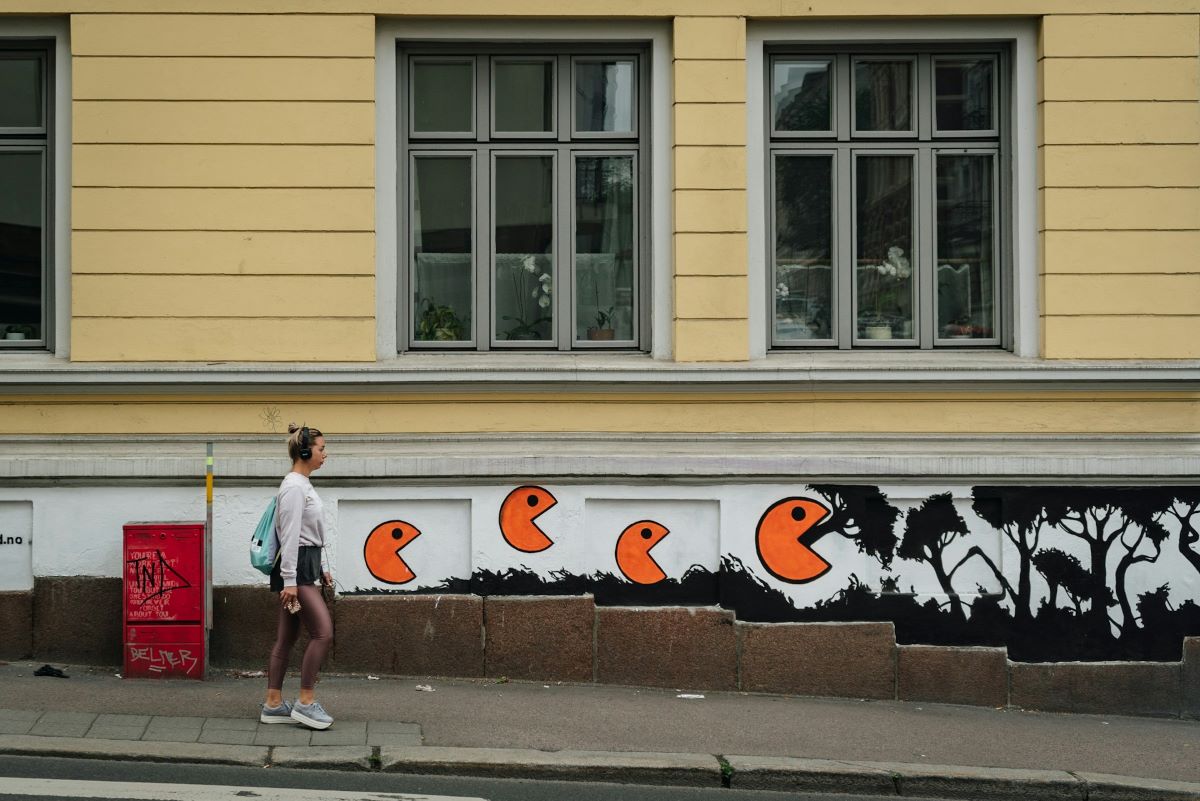
Now the visitors aren’t referring to the murals in areas like Tøyen and Grünerløkka, they are talking about the tagging seen on most buildings wherever you seem to be in the city.
Some of the tagging can be quite comical, and many a walk home (after a few drinks) with friends has been spent laughing at some of the cruder tags you find dotted around the city.
Doesn’t have to be expensive
Don’t let all the talk about “art” and architecture in the first two points deceive you, I am not particularly well off and neither are my friends and family, so doing things on the cheap is preferable for all parties involved when visitors are in town.
In fact, many friends have been put off visiting (or so they say to me, at least) due to Norway’s reputation as expensive.
Luckily for them, but pretty much no one else, the krone has crashed over the past five years against most major currencies.
This has meant Oslo has become much more affordable, and it is possible to eat out (at the right spots) and go for drinks for as much as it would cost in London, if not slightly cheaper.
One party trick I like to use to blow people's minds is to take them to a chain of restaurants where a beer costs 55 kroner (just over five dollars, below four pounds, and about 4.5 euros at the time of writing) to show them the infamous “ten-pound pints” they hear about in Oslo aren’t all that common.
Although, if you don’t have a local guide to show you where to go, then you can quickly end up buying a lunch that can have you on the phone to the bank trying to restructure your mortgage (as one friend who didn’t head my warnings that Aker Brygge was a pricey place to eat found out once).
READ ALSO: Six cool and cheap(ish) places to grab a bite to eat in Oslo
There’s something for everyone
It’s a cliché, but it's true about Oslo, at least. If you fancy a hike, then you can take public transport to a number of great spots. Those who prefer a night on the town can try the tried and tested route from the top of Grünerløkka down to the bottom of Torggata (although I am past the age where I enjoy nightclubs by some five years – so please don’t ask about those). With the camping, kayaking and museums – Oslo has got a lot going for it.
Norway isn’t known for its food, but even over the past six years or so, the restaurant scene has started to pick up, and a recent tourist-friendly trend has seen a number of restaurants pop up that try and make eating out more of an affordable everyday luxury.
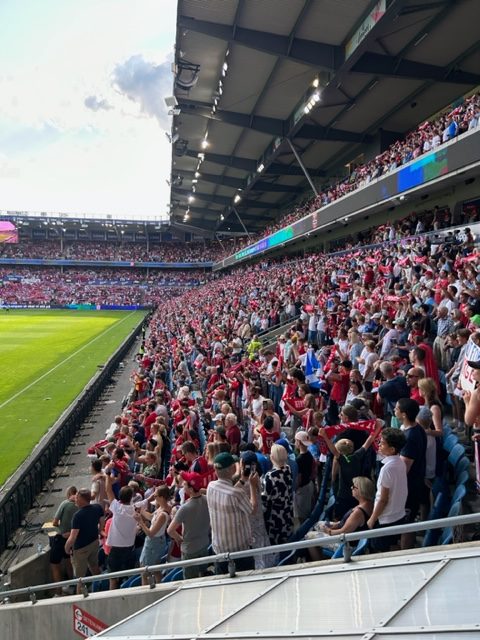
For football fans, it is also quite easy to get hold of tickets for top-division or national team games through affordable and official channels (as the resale of tickets for profit is prohibited in Norway).
Relaxed atmosphere
My first visit to Oslo was a few years before moving to the city full-time, and my first trip was nice but didn’t blow me away.
It felt quite low-key, and my reaction to landmarks like the parliament and palace was, ‘Is that it?’ It didn’t feel like there was much of a spectacle, you can walk right up to parliament and the royal place entrances, and the crowds weren’t particularly large. Compare this to the Houses of Parliament and Buckingham Palace, and it's quite a contrast.
Oslo’s more relaxed nature has grown on me a lot, and now I find London too busy and stressful whenever I return.
Guests have found things more mixed, some visitors enjoy the peace and quiet and don’t believe that my apartment is considered semi-central, while my parents, whose house backs on a trainline, had trouble sleeping without sufficient white noise.
Comments (2)