
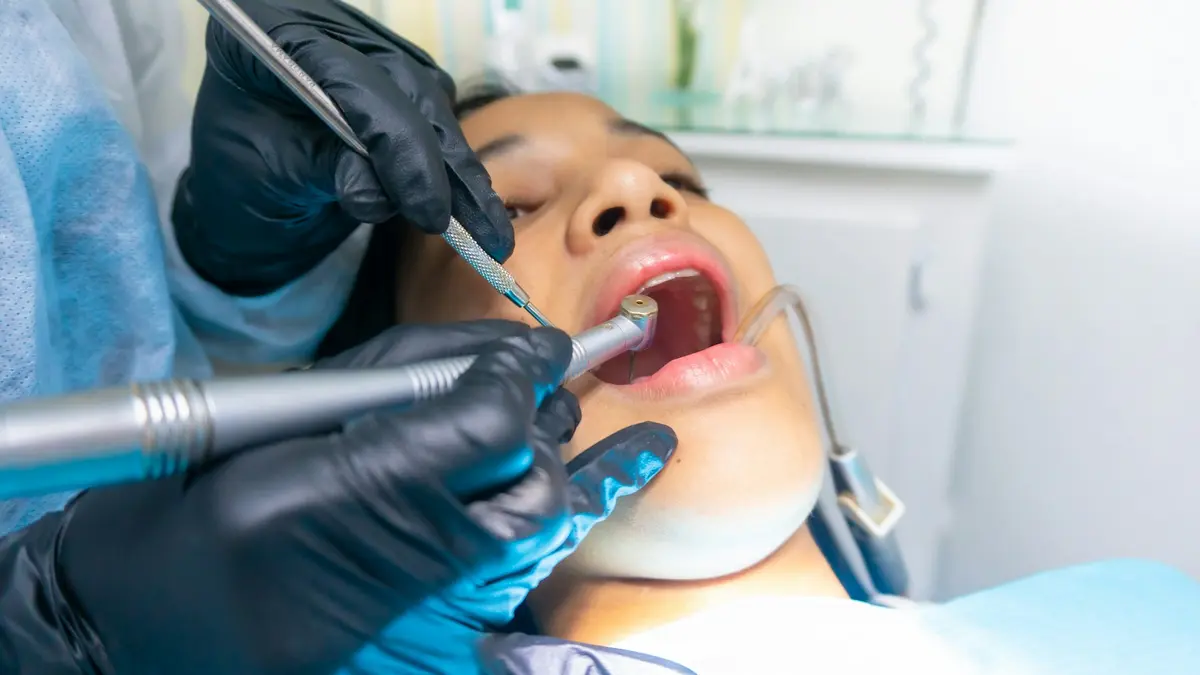
The Norwegian government has presented a historic proposal to reform the country's dental healthcare system, which would significantly reduce out-of-pocket costs for patients.
If this plan goes ahead, it could help many families in Norway worry less about astronomical bills and make dental care more affordable.
"This could be the start of a new welfare reform," said Minister of Health and Care Services Jan Christian Vestre in a press release announcing the proposal.
"Dental health is one of the most obvious social divisions in Norway," Vestre added. "If you experience economic hardship, you also consider your dental health to be far worse than someone with a secure financial situation."
The plan is just a proposal for now and needs to go through several steps before it becomes law. Still, the idea of universal dental care is already giving hope to many people living in Norway.
What would the reform cover?
At the core of the reform is an overhaul of the legal framework, establishing an updated Dental Health Services Act and officially adding the right to basic dental care into Norway’s Patient and User Rights Act.
If approved, patients in Norway could eventually pay no more than 25 percent of their dental bills as the government would cover at least 75 percent of the cost for all necessary treatments.
The major development is that the scheme would ultimately cover the entire population regardless of age, moving beyond recent policies that focused almost exclusively on younger population.
Another major breakthrough is that orthodontics, like braces, would be included as a basic right under the new dental care rules.
County municipalities in Norway would continue to run public services and dental care would still be completely free for children and teenagers up to 18 years old.
How will the rollout work?
Even if approved, the scheme will not take effect overnight. Instead, the government plans to introduce subsidised care in stages, prioritising younger adults first before gradually expanding to older age groups. One reason for this is that dental care for younger people usually costs less than for older people.
"In the long term, the goal is that everyone should have the right to necessary dental care, where that right is safeguarded through a publicly funded dental service," said Vestre. "Our proposal consists of several steps. Some things we can do now, but other things must happen gradually and will depend on funding."
The government hasn’t set an estimated date for when everyone will be covered, since it depends on the yearly state budget. However, when the plan is fully in place, it is expected to cost the state about 9 billion kroner each year.
When might these changes happen?
Residents shouldn’t celebrate just yet. The reform still has to go through the usual steps before it can become law.
To start, the proposal is now open for public consultation (høring) until January 19th, 2027, which allows social and healthcare organisations, advocacy groups, and individual residents to give feedback on the proposal.
After the consultation ends and feedback is reviewed, the government will write a final bill and present it to the Storting for debate and a vote.
If everything goes as planned, the law could be passed and take effect as early as summer or autumn 2027. But the exact timing will depend on political decisions and how much funding is set aside, especially as negotiations over next year's state budget are currently underway.
If you want to give your opinion in the public consultation, you can do so on the government’s official consultation website.
READ ALSO: What Norway’s proposed 2027 budget could mean for you
Political reactions
Many parties support the reform, but leaders have raised concerns about how it will be put into practice.
Marie Sneve Martinussen, leader of the Red Party, criticised the choice to expand the plan by age instead of medical need.
Speaking to Norwegian daily Dagbladet after a press conference, Martinussen said: "The oldest have the greatest needs, the greatest bills, and poor dental health has the greatest consequences for them. For the elderly, poor dental health leads to poor nutrition."
Kirsti Bergstø, leader of the Socialist Left Party (SV), supports the idea of universal dental care but warned the government not to weaken existing rights.
Ingrid Liland, acting leader of the Green Party (MDG), said universal dental care is long overdue. "All that is missing is a red-green majority in the Storting that manages to ensure that welfare is expanded and that the gaps in the welfare state are closed," she said.
Comments