
Climate campaigners won victories in two lower-court rulings but the judges allowed operations to continue at the three contested North Sea fields while the Energy Ministry appealed the rulings.
Young Friends of the Earth Norway and the Norwegian branch of Greenpeace filed the case in 2023 against the permits for the Tyrving, Breidablikk and Yggdrasil fields, saying they were approved before environmental impact studies had been carried out.
The Energy Ministry argued there were no grounds to halt the projects.
Breidablikk and Tyrving are currently operational, while Yggdrasil - whose potential reserves were recently revised upward - is due to start producing in 2027.
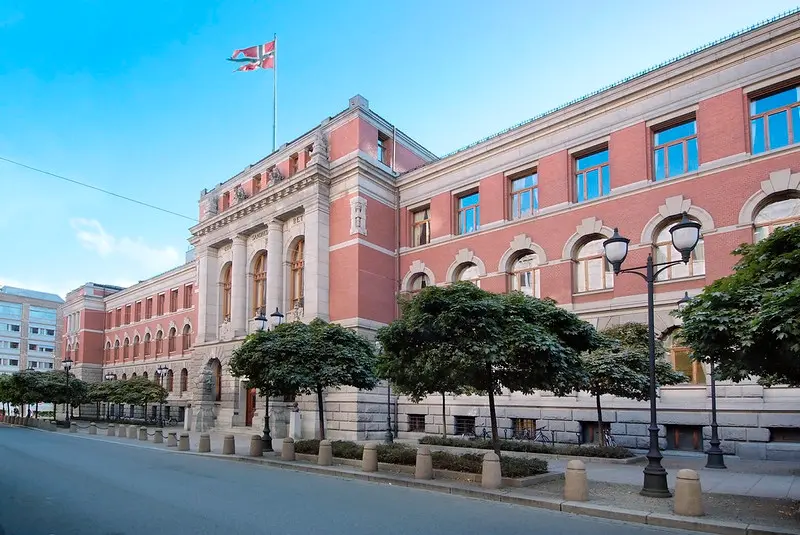
The Supreme Court began hearing the case in its grand chamber, meaning 11 judges are hearing the case instead of the normal five - a situation reserved for major cases.
The case is the latest push by activist groups to use courts to challenge government policies they say pose climate or environmental risks.
Several climate groups have accused Norway, the main producer of oil and gas in Western Europe, of profiting from their sales even though fossil fuel use is contributing to global warming.
In July 2025, the International Court of Justice ruled that climate change was an "urgent and existential threat" and that countries had a legal duty under international law to prevent harm from their planet-warming pollution.
Comments