
For many foreigners living in Norway, a trip back to our home countries often includes a "health checklist." We visit our trusted dentists or see a specialist for a nagging injury because it’s faster or more familiar.
However, what many of us don’t realise is that these routine visits can trigger a strict protocol when we return to the Norwegian healthcare system.
Recently, I experienced this firsthand. While I was abroad, I got an X-ray and MRI for a wrist injury at a clinic in my home country.
When I came back to Norway and tried to get follow-up care, the hospital wouldn’t schedule a new MRI until I could show a negative MRSA test result, even though my GP (General Practitioner) had already referred me.
There was no surgery, no stitches, and no hospital stay, just a scan and a doctor’s visit. Still, to the Norwegian system, I was seen as a possible risk.
What is MRSA?
Staphylococcus aureus is a type of bacteria that normally lives on our skin and mucous membranes. It can cause infections, usually skin infections, but sometimes more serious problems.
MRSA is a variant of this bacteria that doesn’t respond to the antibiotics doctors usually use to treat it.
It spreads easily through skin contact or even dead skin cells in bed sheets and other surfaces. In hospitals, an undetected case can be very serious.
As Helsenorge (the national health portal) explains: "The risk of being infected with such bacteria is higher if you travel outside Norway for treatment."
Even if you feel fine, you could still carry it.
What is the 'MRSA rule'?
According to Helsenorge, Norway is one of the few countries in the world with very low levels of MRSA, and the health system works hard to keep it that way.
You are legally required to be tested if you have been hospitalised or received extensive outpatient or dental care outside the Nordic region within the last 12 months.
This can also apply if you have stayed continuously for more than six weeks in a country outside the Nordics, worked in healthcare, lived in a refugee centre abroad, or had close contact with someone known to have MRSA.
Helse Nord, the health authority for Northern Norway, says you usually don’t need to be tested for antibiotic-resistant bacteria if you only visit an outpatient clinic in Norway.
However, in my experience, the reality was different, showing that protocols can vary, so be prepared if you receive this request.
Some clinics or health centres might be stricter than others. My GP’s office explained that these rules are especially important in places that treat older patients, since they are at higher risk of infection and complications from these bacteria.
What does the test involve?
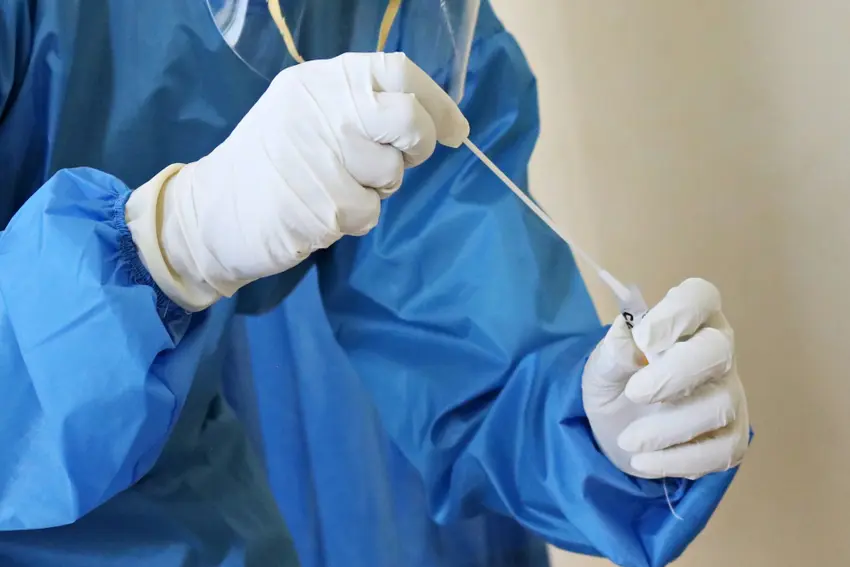
Your GP will take swabs from your nose and throat (not as deep as the COVID test), and you’ll also need to do a self-swab of your perineal or genital area. This part can feel a bit awkward, but it’s a normal step of the process.
The whole test is free at your GP’s office (fastlege), and you’ll usually get your results within a few days.
What happens if you don’t get tested?
If you need non-urgent surgery or treatment, the hospital will probably postpone your appointment until you show a negative MRSA result.
To avoid delays, get the test as soon as your GP asks for it.
In my case, it’s been over two weeks since I took the test, and the hospital still hasn’t processed my referral (remember that even if you are given a date, it could be months in the future).
In emergencies, the hospital may still treat you, but you’ll likely be in isolation to protect other patients.
READ MORE: Norway launches full rollout of digital consultations with GP doctors
Comments