

Winter in Norway is not just about snowflakes and candles — it’s a season that shapes the country’s health, habits, and energy use.
The cold reality
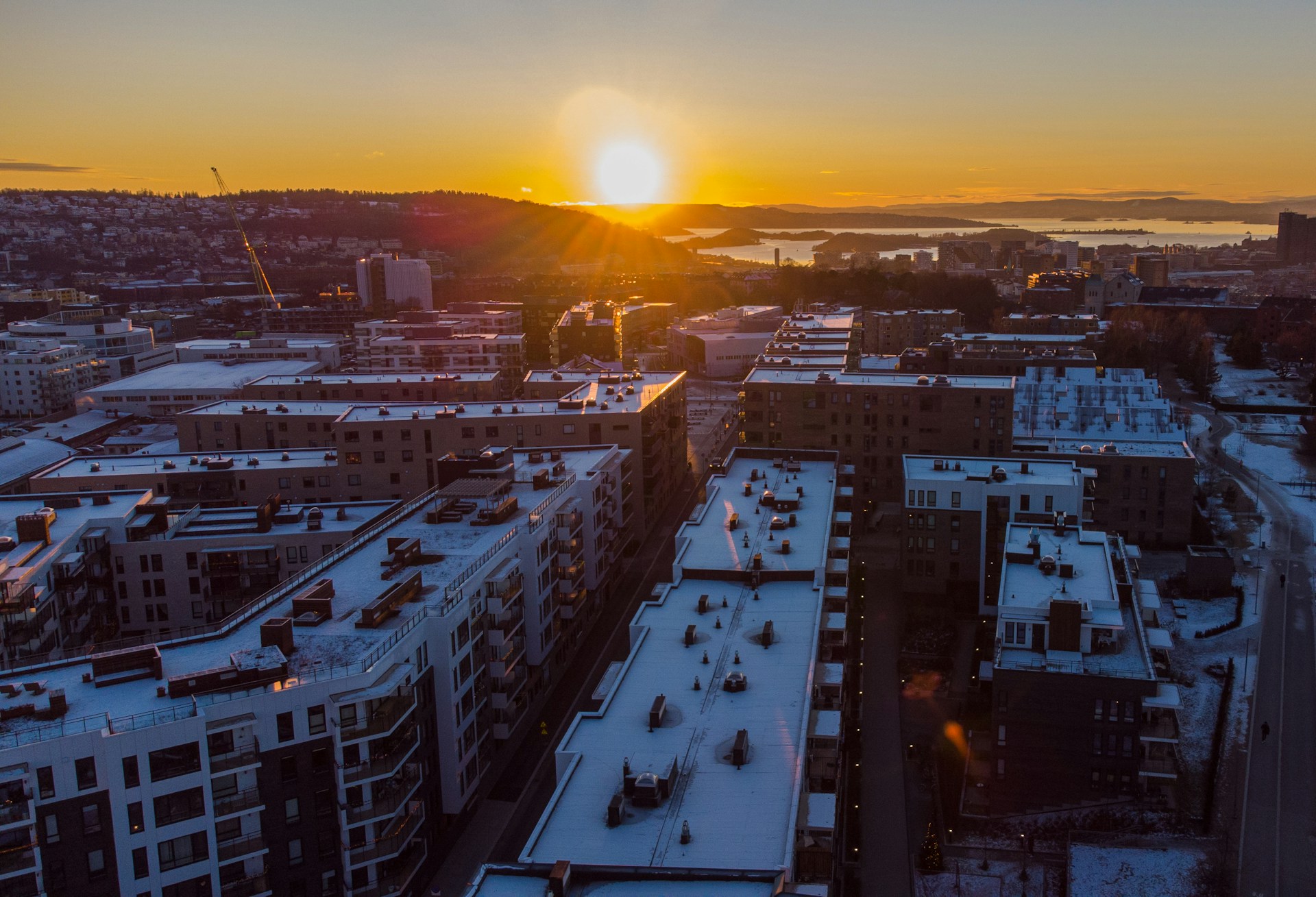
Average January temperatures in Oslo often hover around -7C, but on colder days, thermometers drop to -20C or below. Snow typically arrives in late November, sometimes earlier, and sticks around until March. On average, the capital has about 80 days each year with snow on the ground, though that number varies widely. In northern Norway, it’s closer to 150 days.
READ ALSO: Essential tips for staying safe and active during Norway’s winter months
While locals are used to layering up, the darkness is harder to adapt to.
In December, Oslo gets about five to six hours of daylight, while above the Arctic Circle — like Tromsø and Longyearbyen — the sun doesn’t rise at all for up to two months in winter. Locals call it mørketid (the dark time), and many claim it’s not as bad as it sounds — the blue light and northern lights make it beautiful.
Patricia Alessandra, from Germany remembers how strange her first winter in Norway was.
“I commuted to the office around eight o’clock and it was dark in Oslo. I came back and it was dark again. Basically, I was missing the sun while working indoors — only seeing it on weekends," she said.
"Eventually, I learned to take a quick walk right after my lunch break and soak in the light on my face every chance I had."
Commuting can also be a challenge, depending on where you live — wind, temperature, and snow conditions can turn a short walk into an adventure.
Dione Assis Junior, from Brazil said: “Before moving to Norway, I had never used spikes on my shoes. Honestly, I thought they were totally unnecessary. But then came my first winter.
"The snow was melting, the sidewalks were shimmering with slippery ice, and I had a short downhill walk to work," said Dione, who has been working in Oslo for three years.
"Next thing I knew, I was screaming and lying flat on the ground like a cartoon character who missed a banana peel. I don't need to mention that my next stop was the sports store… where I bought not one, but three pairs of spikes. Stubborn as I am, I learned the hard way!"
READ ALSO: How to embrace Norway's long winter nights
Energy demand hits its peak
All that cold and darkness has a cost. Norwegians use more energy in winter than at any other time of year. According to Statistics Norway (SSB), the country consumed around 217 terawatt-hours of energy in 2023, with three-quarters of household energy going toward heating and hot water.
When temperatures fall just 0.7C below average, national electricity use jumps noticeably. The grid operator Statnett often reports record-high demand during January cold spells, as homes and offices turn up their electric heating.
Winter also leaves its mark on public health. Studies from NTNU and the Norwegian Institute of Public Health show that cases of cardiovascular and respiratory diseases rise by around 10–12 percent in winter months compared to the rest of the year. Cold air, less sunlight, and the spread of seasonal viruses all contribute to this increase.
The darker months can also affect mental well-being. Seasonal depression (SAD) is well known in Norway, and many turn to light therapy and vitamin D supplements as part of their winter routine. Around 60–65 percent of the population have vitamin D levels below the recommended threshold during winter, according to the Norwegian Directorate of Health. As a result, sales of vitamin D supplements increase every year, by about 6 percent from 2022 to 2023, according to Apotekforeningen.
READ ALSO: When is a good time to start taking Vitamin D supplements in Norway?
January is also the most accident-prone month. According to Trygg Trafikk (the road safety organization), road accidents peak in January, when icy roads and poor visibility combine. Hospitals report more slips and falls that month than at any other time of year.
How cold is too cold to go outside?
There’s no official rule — just common sense (and layers of wool). Here are some unwritten limits:
-10C: shorter outdoor time for children; more breaks inside
-15C: schools often reduce outdoor play; adults start cutting walks outside
-20C and below: even the hardiest locals stay indoors unless they have to
Wind makes a big difference. A breezy -10C can feel closer to -20C, and frostbite risk climbs fast.
What now?
There’s a word for embracing the cold: uteliv — “outdoor life.” Even in –10 °C, families go skiing, grill pølser (sausages), and hike with headlamps. It’s not just recreation — it’s how locals stay sane through the season.
Gina Paola, from Colombia, who has been living in Oslo for 12 years says: "Learning how to cross-country ski is a good motivation to be outside. You don’t need to ski every weekend or for hours like locals do, but it does feel good afterwards — the view, the full-body exercise, and the awkward but genuine social interactions when you wave or nod your head passing by one happy skier in the snow."
Comments