

To pick this list for foods you need to try in Norway we asked for the opinions of both Norwegians and international residents.
The question was simple: what dishes or pastries do you really have to taste in Norway?
To make the list real, we considered different occasions and budgets.
In the end we've picked three traditional dishes that require slow cooking time and seasonal ingredients, two pastries you’ll easily spot in cafés, and three convenience-store snacks that have become everyday classics.
Three main dishes
Fårikål - the Norwegian lamb and cabbage stew – is the ultimate autumn dish.
When the leaves turn yellow and jackets come out of the closet, locals start thinking and talking about fårikål.
As September arrives, so does the annual round-up of sheep from the mountain pastures as they return to their farms. This is the time of year (aside from early spring) when lamb becomes the highlight of many dishes.
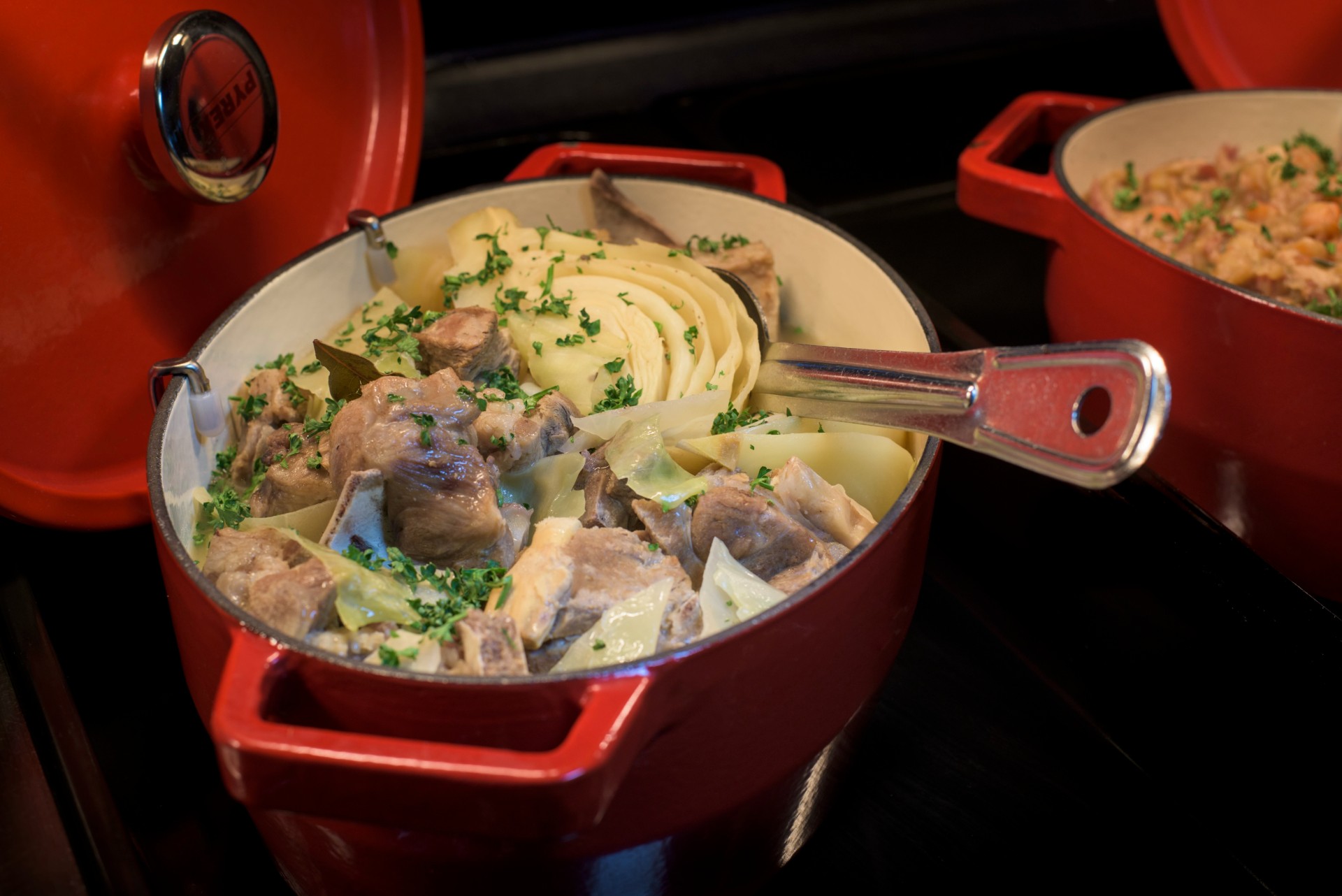
Perhaps the dish is so loved because the ingredients represent Norway: lamb from the mountains, potatoes just harvested from the fields, and cabbage grown throughout the summer.
Originally, fårikål was a weekday dish, but as cooking time became scarce, it turned into a Sunday dinner favorite and a ‘guest dish’ when friends came around. It even has its own national day, celebrated on the last Thursday of September each year.
Pinnekjøtt - There are three main Christmas tradition dishes in Norway: ribbe (pork belly with crispy rind), lutefisk (cod cured in lye), and pinnekjøtt (salted and dried lamb ribs). Pinnekjøtt was mentioned most often. Its name literally translates to “stick meat.” Traditionally, the rack of ribs is soaked in a salt solution, hung to dry for 6–8 weeks, and finally cut and steamed over birch branches or sometimes smoked.
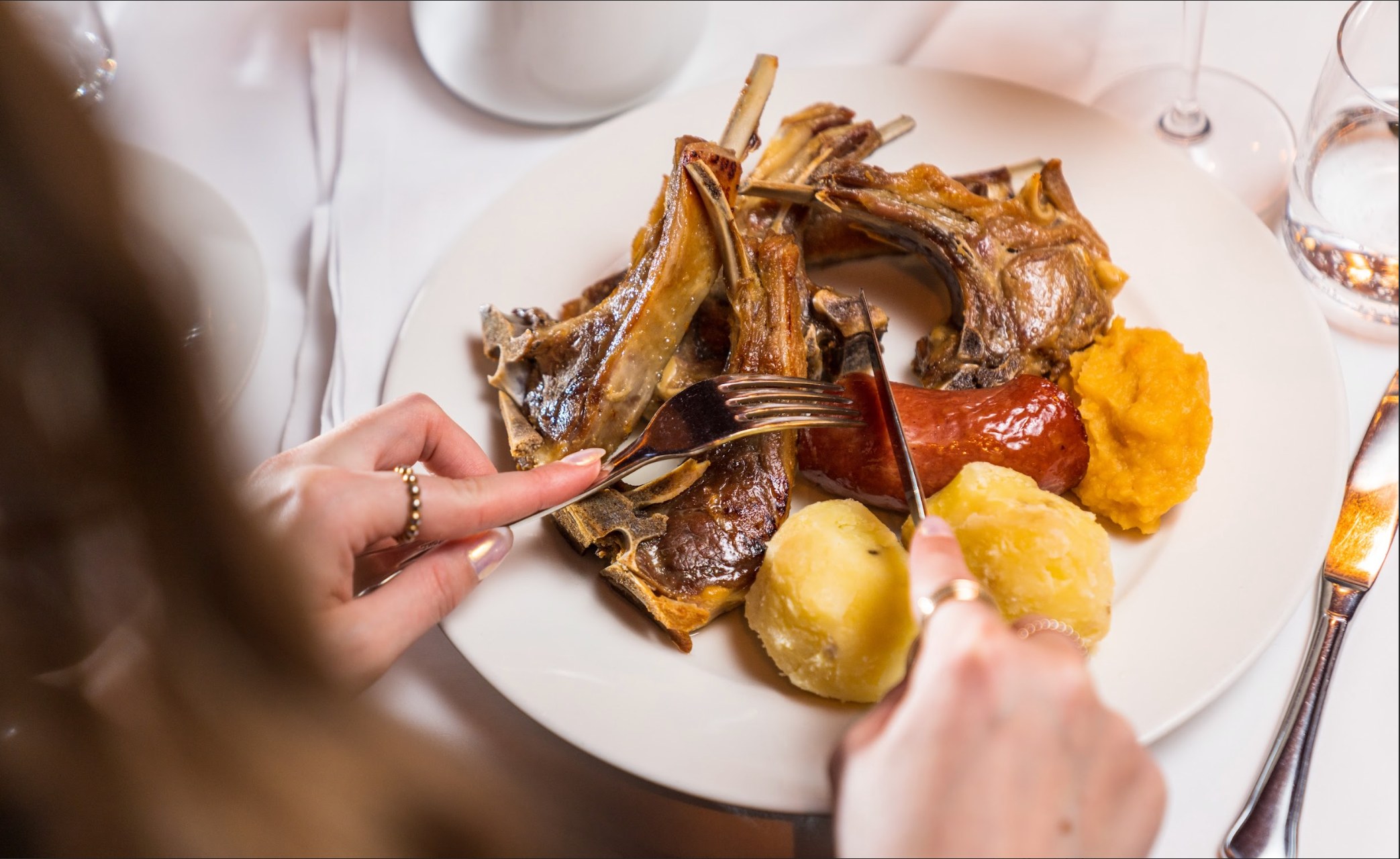
“You can buy the meat cuts at the grocery store from November. At first glance, it looks like leftover bones and slightly lacks color, but the thin meaty parts are full of flavor,” says Angelica from Colombia.
The dish is complete with three side dishes: rotmos (a mash of swedes, carrots, and potatoes), a spoonful of lingonberry jam, and a few cooked potatoes. It’s a filling dish that almost guarantees a nap afterward.
Smalahove (see main pic above)- This dish is a seared, salted, and often smoked sheep’s head, then boiled or steamed and served with potatoes and mashed turnips.
“If you are feeling adventurous, this has to be on the list: incredibly salty, visually unappealing, but with a very distinct taste”, says Björn, who lives in Oslo.
“The first time I heard about smalahove was years ago during an Amazing Race episode filmed in Norway, and the challenge was to eat it. Little did I know it was an actual dish appreciated in western Norway, especially Voss (you’ve probably heard about the nature there – or the fancy water bottle),” says Matthew from the U.S.
One serving usually consists of half a head. The ear and eye are normally eaten first, as they are the fattiest parts. The head is eaten from the front to the back, working around the bones of the skull.
Sweet treats from the cafe
If you step into a café in the afternoon, here are two Norwegian classics worth every calorie:
Vaffel med brunost - Waffles with a slice (or two) of brown cheese are a cornerstone of Norwegian food culture. “It's worth extra points if the waffle is warm and buttery with a bit of crispy edges,” says Victor from Spain.
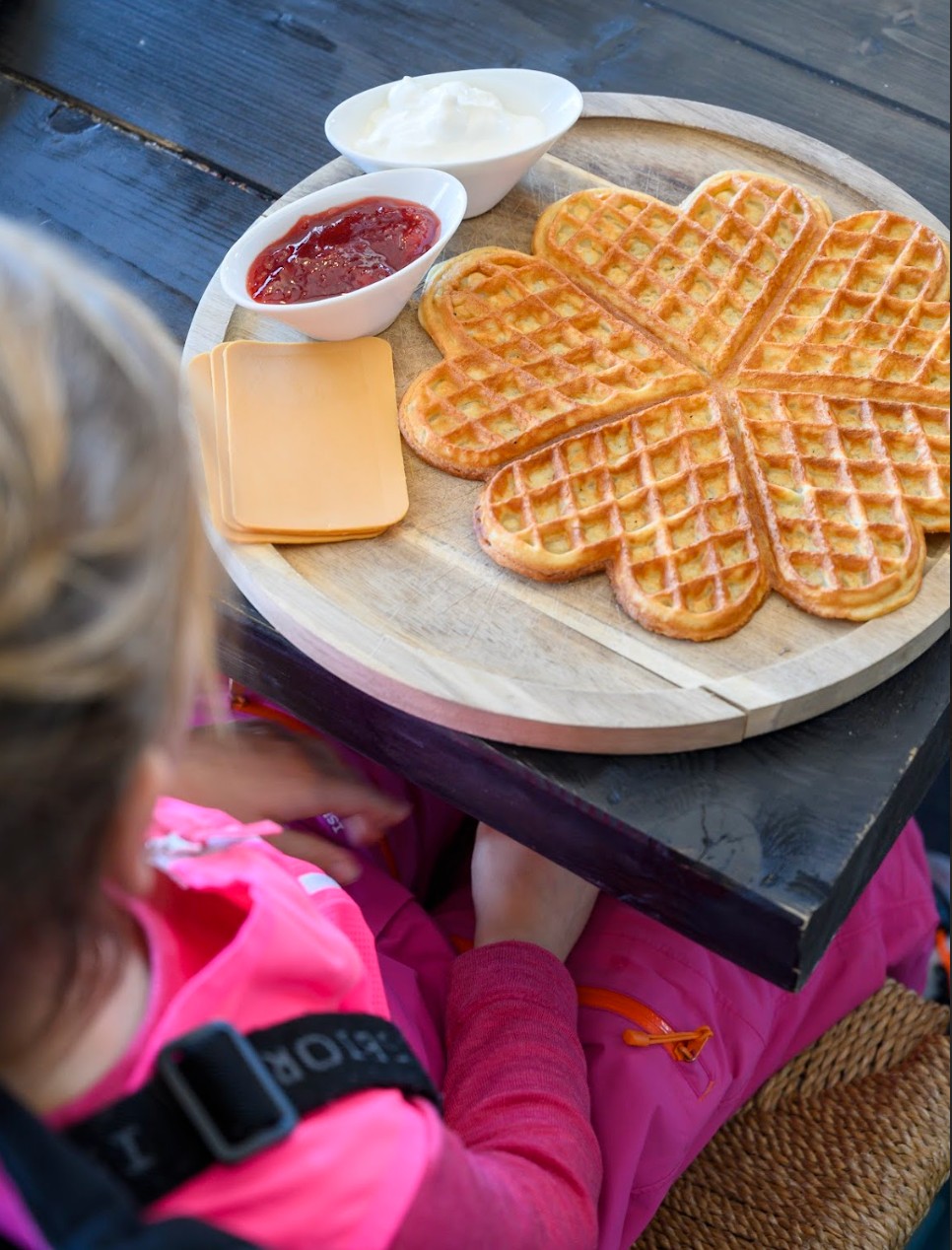
Some say brown cheese tastes like dulce de leche (caramelised milk), but with a savoury twist and nutty, caramel notes. You can replace the brown cheese with raspberry or strawberry jam and cream, but the waffle-and-brunost duo screams winter koselig and fredagskos at the office (the Friday after-lunch treat tradition). Be warned: you may get hooked and end up buying a waffle machine to bring the cozy smell into your own home.
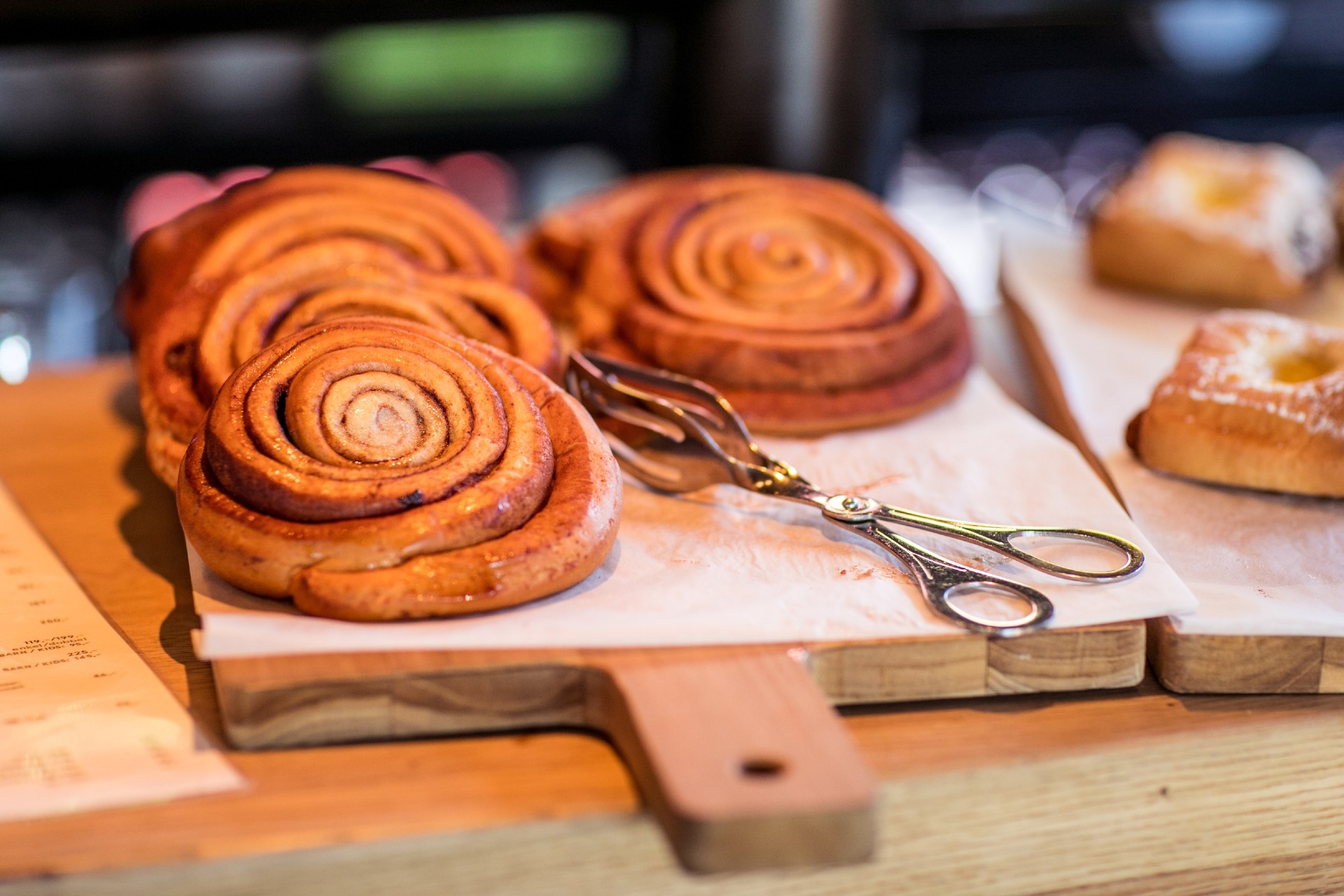
Kanelbolle - or cinnamon rolls/buns – are a well-established part of Nordic food culture. In Norway, they go by many names: skillingsboller, kanelboller, kanelsnurrer, and kanelknuter. If you’re unsure what to order at a café on a cold day, this cardamom- and cinnamon-filled pastry is a guaranteed choice. It even has its own day: October 4th, celebrated annually since 1999, which is the perfect excuse to hunt down your favorite or even host a cinnamon roll tasting with friends and family.
Convenience store champions
Exploring a Norwegian convenience store can be an experience in itself. Whether for yourself or as a souvenir for friends and family, these three treats are must-tries:
Smash! - Corn cones covered in milk chocolate. “It’s a salty-sweet explosion and reminds me of the brain effect of eating popcorn,” says Marie from Oslo. In other words: once you start, it’s hard to stop.
Kvikk Lunsj - A chocolate bar often compared to KitKat, but less sweet and wrapped in an iconic red-green-yellow package. It’s a hiking essential and a classic part of any Easter mountain survival kit.
Lakris - Licorice comes in countless forms in Norway, from salty to sweet, soft to hard. It’s beloved by Norwegians, though often an acquired taste for newcomers. If you’re not familiar, pay attention when grocery shopping: it can easily be mistaken for dark chocolate (a mistake some have made more than once, especially with ice cream).
Comments (1)