
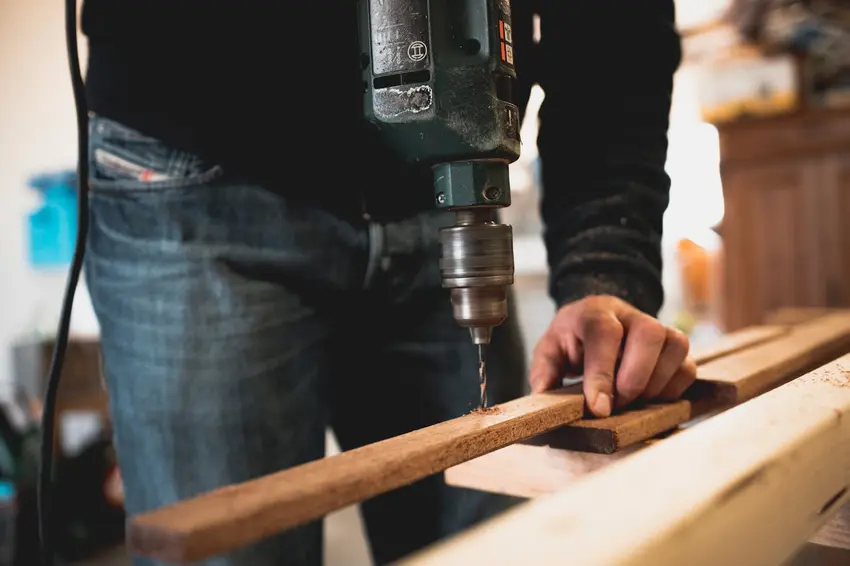
DIY: Some see it as a hobby, while others will it as a great way to learn new skills or save some money on renovations.
While getting handy around the house is certainly something that comes in handy wherever you live, in Norway you will need to double-check that you are actually allowed to carry out the work yourself.
Unapproved work may pose a risk, land you in hot water with your housing association, make it hard to sell the home in the future without certification, or lead to the authorities making you fork out to undo and rectify any unapproved work.
Still, while some pretty strict rules are in place, there are still quite a few things you can do yourself.
From basic maintenance work to major structural interventions, here’s what you need to know about taking on a DIY project.
DIY projects you can do yourself in Norway
Norway’s Planning and Building Act outlines the work people are allowed to do at home, with local authorities responsible for ensuring the public and businesses comply with the law when carrying out projects.
Under the act, homeowners are allowed to carry out interior painting and decorating, replace their floors and internal doors, install kitchen cabinets and carry out minor landscaping projects.
All of this can typically be done without a permit being required or having the work signed off by the local authorities.
However, later down the line, the quality of your work may be assessed when putting together a condition report when you prepare to sell your home. This may be reflected in comments on poorly fitting fixtures or sloppy paintwork, and will receive a tilstandsgrad (shortened to TG).
READ MORE: Everything you need to know about property condition reports in Norway
That said, it’d have to be particularly shoddy work to be included in the report, so if any work you do does come up, consider it a sign that you should probably hang up your tool belt for good.
DIY projects you can’t do yourself
You can’t do anything that would lead to structural changes, such as altering load-bearing walls or changing the building’s footprint, yourself.
Furthermore, a lot of electrical work will require a certified electrician, and professional installation will be required for things like bathrooms. Generally, If it doesn’t have a plug, you’ll need to get an electrician.
You can carry out small tasks relating to electrics, such as switching cover plates, yourself, though.
When it comes to bathrooms, certain rooms need to be done to a “wet room standard”. This means floors and walls should be sealed, and there will also be drainage. Therefore, the complexity of bathrooms in general makes an expert a necessity in most cases.
Even qualified tradespeople in Norway must follow all relevant laws and technical conditions and following the same steps as if it were for a customer when it comes to plumbing and electrical work in their own homes. Even then, some works will still need to be signed off by a third party.
Having paperwork to show that work was carried out by a professional will seriously cover your back if something does go wrong.
What to do if you aren’t sure
Always err on the side of caution when it comes to these things, and the first point of contact should be your local municipality or housing association.
From there, they’ll tell you if you require permission, a permit or a tradesperson to carry out the work you are thinking of.
When it comes to electrical work, it's worth asking the Norwegian Directorate for Civil Protection (DSB) or a registered electrical firm.
Meanwhile, those curious about matters relating to bathrooms should ask a certified plumber.
READ ALSO: What you need to know about emergency plumber callouts in Norway
Comments