

Norway's wildlife goes someway to shaking off its reputation as a safe country, thanks to the presence of bears, wolves, vipers and more.
Thankfully, encounters with Norway's wildlife rarely result in serious injuries. Still, some of the more commonly encountered animals on this list can still pose a large threat—whether intentionally or not.
Wolves
Wolves have been the subject of much debate in Norway for years, with the culling policy of the animals frequently making a splash in the domestic news.
For all the noise surrounding wolves in Norway, only around 80 wolves are registered, and they are critically endangered.
Of the wolves in Norway, less than half live solely in Norway, with the rest choosing to migrate between Norway and neighbouring Sweden. They can be found further south and more inland, though, in areas like Telemark.
Still, before widespread hunting, they were found all across Norway and neighbouring Sweden, Finland and Russia.
Encounters between wolves and humans in Norway are exceptionally rare, and the last time a wolf killed a person was more than 200 years ago. Instead, wolves typically pick off livestock, which has sparked the debate about wolf culling.
Brown bears
Like wolves, brown bears are endangered in Norway. They were systemically hunted until only around 130 remained. These days, there are around 178 brown bears spread across Norway. These bears likely also spend plenty of time in Russia, Finland, and Sweden.
The brown bear is the largest predator on the Norwegian mainland. Despite this, it typically shies away from humans. Females roam smaller areas, while male bears can cover a lot of ground.
Bears live in five areas, from the Hedermark region in the south to the Troms region in the north. Encounters are incredibly rare, and very few people have been attacked over the past 100 years.
Polar bears
Polar bears, which are found in Norway's Svalbard archipelago, are probably the only bear species more dangerous than the brown bear.
Polar bear territories are becoming smaller due to shrinking ice sheets caused by global warming. Around 300 polar bears are residents of Svalbard, with more coming and going. There are around 3,000 bears in the larger Barents Sea area.
Over the past 53 years, six people have been killed by polar bears in Svalbard. This is despite several measures to reduce contact. Those who disturb or disrupt the bears face fines from local police.
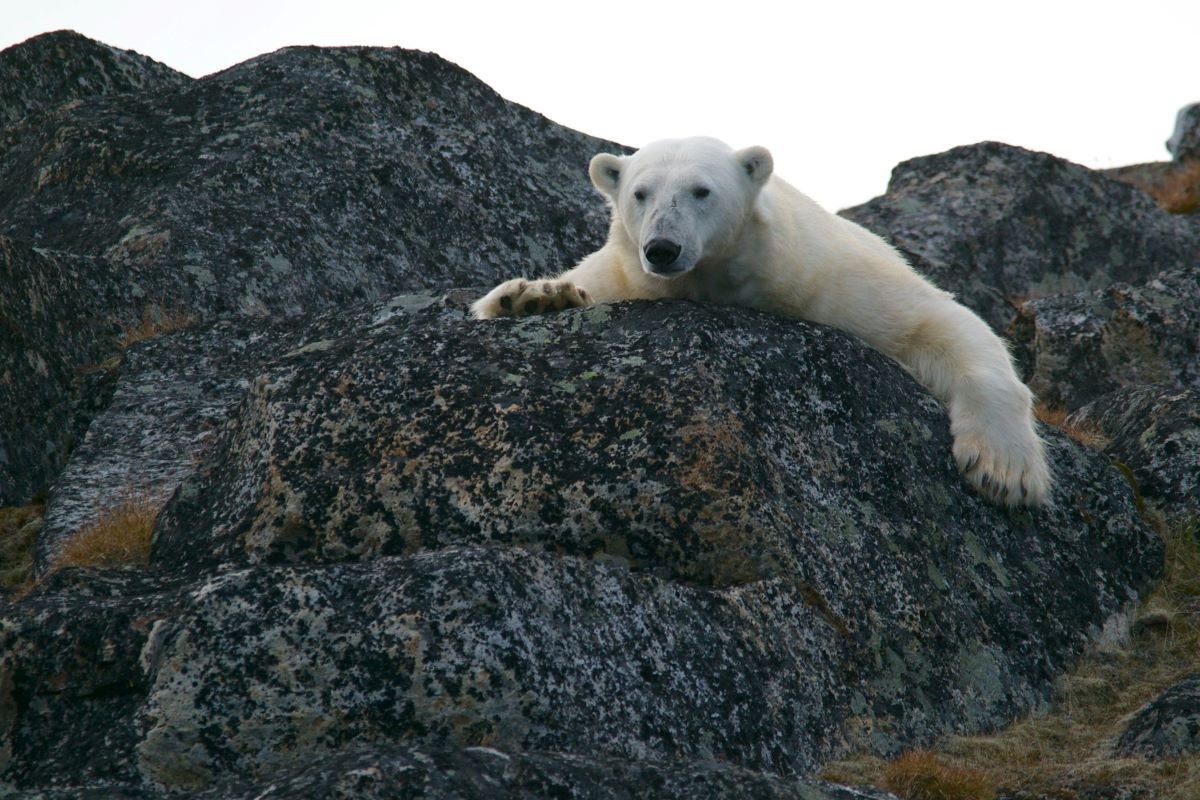
The threat of polar bears is so large in Svalbard that some locals carry rifles when leaving the main settlement in case of bear encounters.
Snakes
There are three snake species in Norway however only the European Adder is venomous. They typically grow to between 60 to 90 centimetres. Venom from an adder isn't dangerous and is quite mild, causing bruising and swelling.
Some people can still suffer a severe reaction to the venom, however.
Still, if you get bitten, you will need to seek urgent medical help. The snake isn't usually considered aggressive.
As the vipers live in mountainous regions and plains, they can be found all over Norway. It is most common in southern Norway, but snakes have been spotted as far north as Nordland.
Moose
While not outwardly aggressive, moose can pose a significant danger to humans. Moose are found all over Norway, the animal is mostly peaceful but can attack if stressed.
When attacking, they can charge people down or stand on their back legs and strike downwards with their front hooves. They can also use their heads or back legs to attack people.
The animals are more prone to be aggressive when a mother is separated from her offspring or you are between a mother and child. Moose are also more aggressive in the mating season.
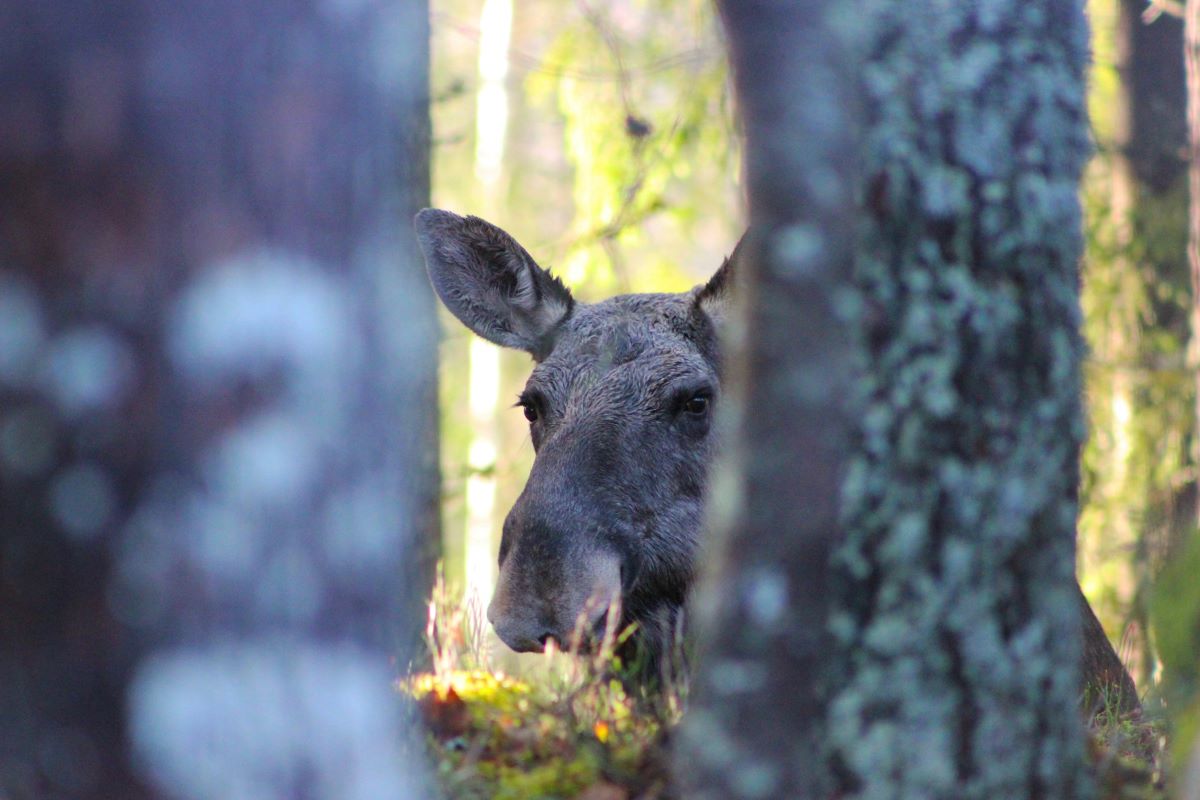
They probably pose the biggest danger to motorists, though. A male can weigh up to 700 kilograms, so collisions can have serious consequences. Between 2013 and 2023, seven people were killed in moose collisions, and 38 were seriously injured.
You are most likely to encounter a moose in the twilight hours of the morning and evening. In winter, they are attracted to salt that is used to grit the roads.
Ticks
The smallest animal on this list is considered the most dangerous by plenty of people. The two main tick-borne diseases in Norway are Lyme disease and tick-borne encephalitis (TBE).
Lyme disease can cause several nasty symptoms, such as arthritis, severe headaches, facial palsy, and mental fogginess.
TBE is a viral brain infection that can cause a range of symptoms. Symptoms usually start with typical flu-like symptoms and then develop to include nausea, dizziness, and, in around a third of cases, severe problems. Symptoms usually appear around a week after the bite but can take longer. There is no cure, but it can be treated, and there is a vaccination, too.
Ticks are found all over Norway between April and September in grassy areas and woodlands.
READ ALSO: How to protect yourself against the risk of Lyme disease in Norway this summer
Jellyfish
Lion's mane and moon jellyfish are frequent sights in Norwegian waters during the summer. Dustbin-lid and compass jellyfish have also been observed regularly.
Many people are stung by Lion's mane jellyfish each year. Thankfully, the sting is usually more unpleasant than threatening. After a burn, a human will experience localised burning and pain, itching, skin irritation, and red stripes that can blister.
Some more severe symptoms, such as nausea, muscle pain, breathlessness, and allergic or hypersensitivity reactions, can occur. These jellyfish are found in the sea surrounding Norway.
Comments