
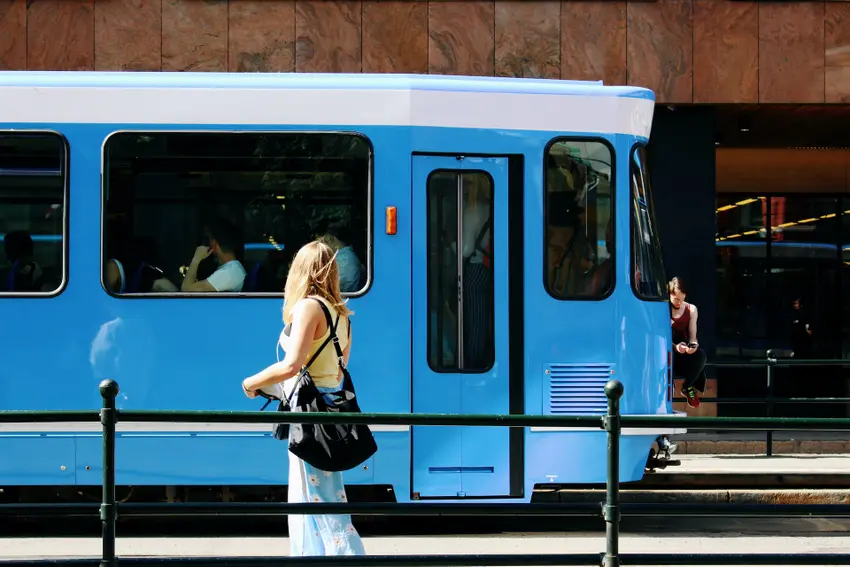
By the end of 2023, Oslo hopes to have an all-electric public transport network after penning a deal to replace its diesel-fuelled buses with 450 new electric ones.
The new busses are being introduced in a 500 million kroner plan that Sirin Stav, Vice-Mayor responsible for environment and transport, says will save the Norwegian capital money in the long run.
"The maintenance is cheaper, it's also cheaper for the operators of the electric buses," she told the news agency Reuters. "All in all, this is a win-win situation."
During the city's last tender, e-buses were around five percent cheaper than their diesel equivalent.
In addition, the plan to fully electrify its public transport network aims to improve air quality and reduce noise. The majority of the public transport network in Oslo, including buses, trams and ferries, is already electric.
Oslo has set its sights on becoming the world's first wholly emissions-free city by 2030. The Norwegian capital's efforts come as cities across the globe try to slash emissions and air pollution.
The Nordic country has led the world in adopting electric transportation. In 2020 it became the first country in the world where electric cars accounted for more than 50 percent of new registrations.
In September, Avinor, which operates Norway's airports, announced that it would electrify its shuttle bus network to try and save around 140,000 litres of diesel annually.
Norway's shift towards emission-free transportation is juxtaposed by its position as a major supplier and producer of oil and natural gas.
READ ALSO: How do Norway's CO2 emissions compare to other countries?
Comments